
Hospitality
Hotels and boutique properties, where the finish work is the first impression and the guest experience is the deliverable.
Restaurants
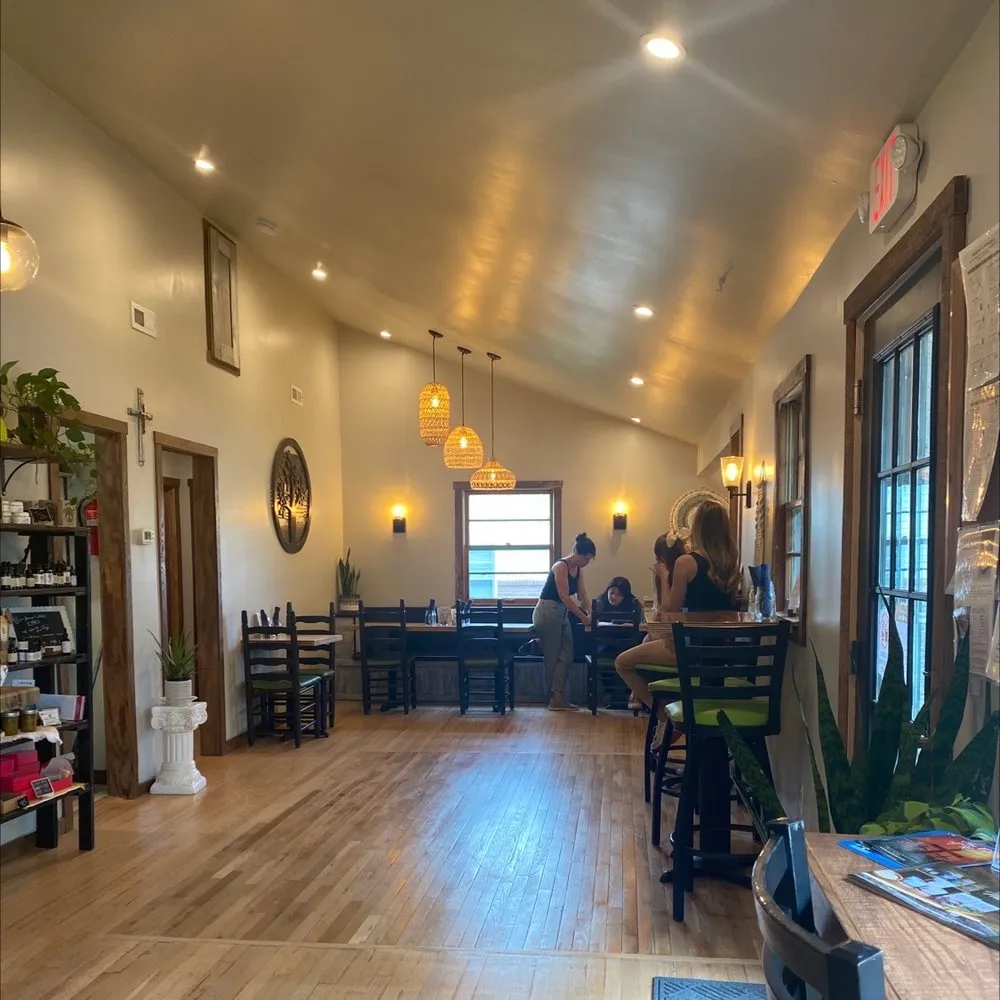
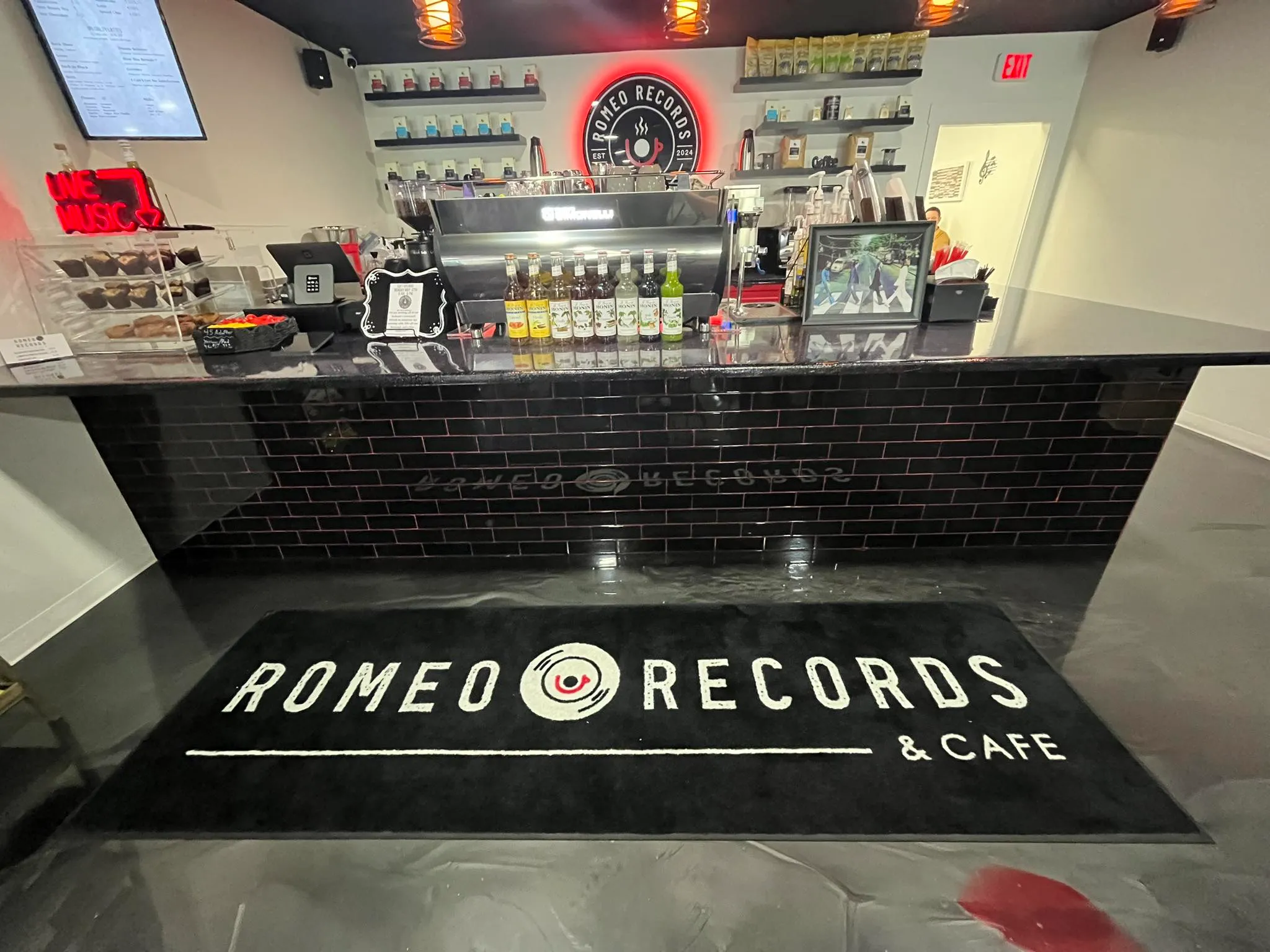
Assembly-occupancy buildouts with their own code path: Type I hoods and makeup air, grease interceptors, and health department review running parallel to the building permit, all against an opening date that is usually tied to a lease.
Retail
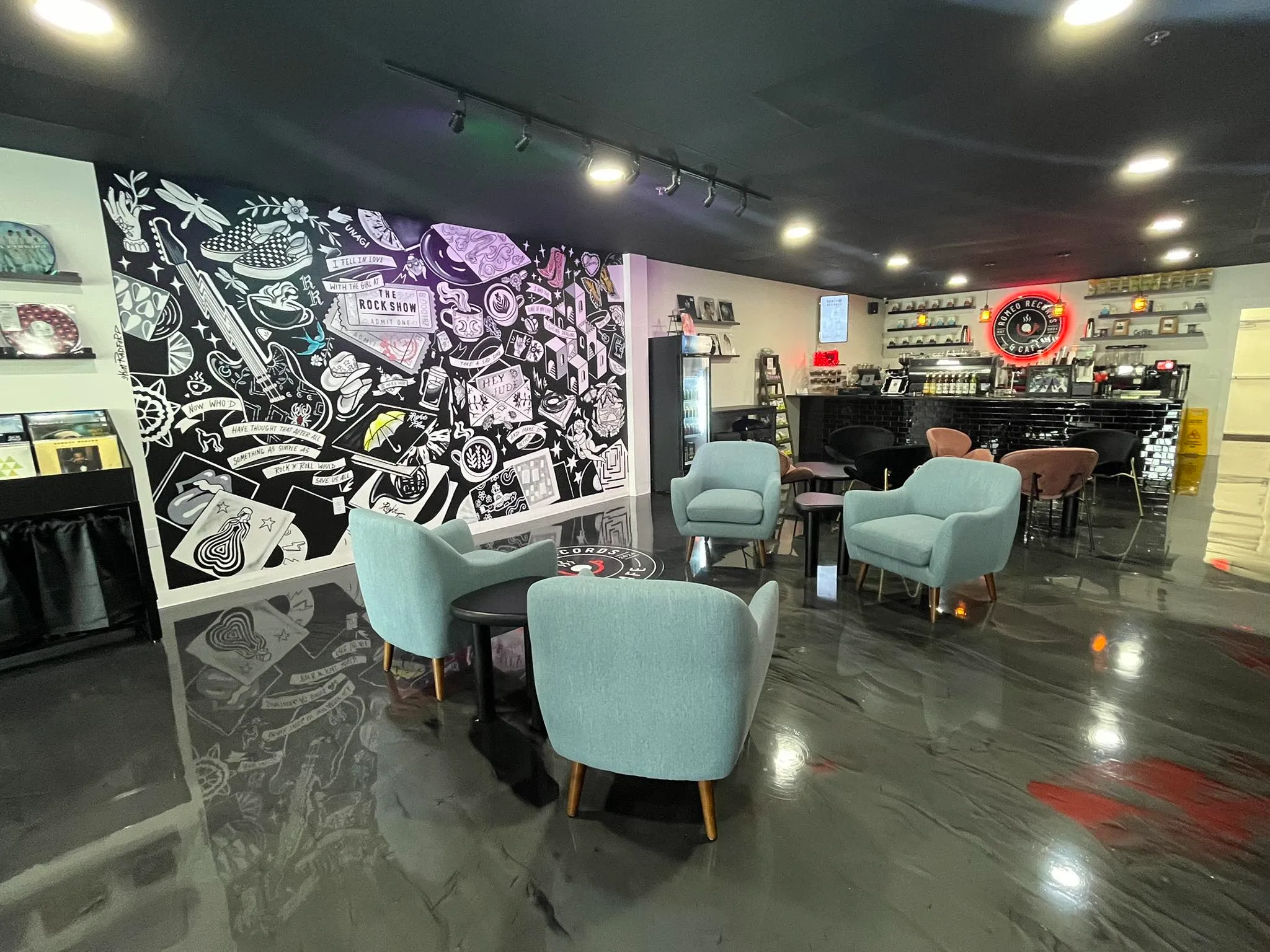
Ground-up builds and buildouts designed around how customers actually move through a space.
Assembly and Event Spaces
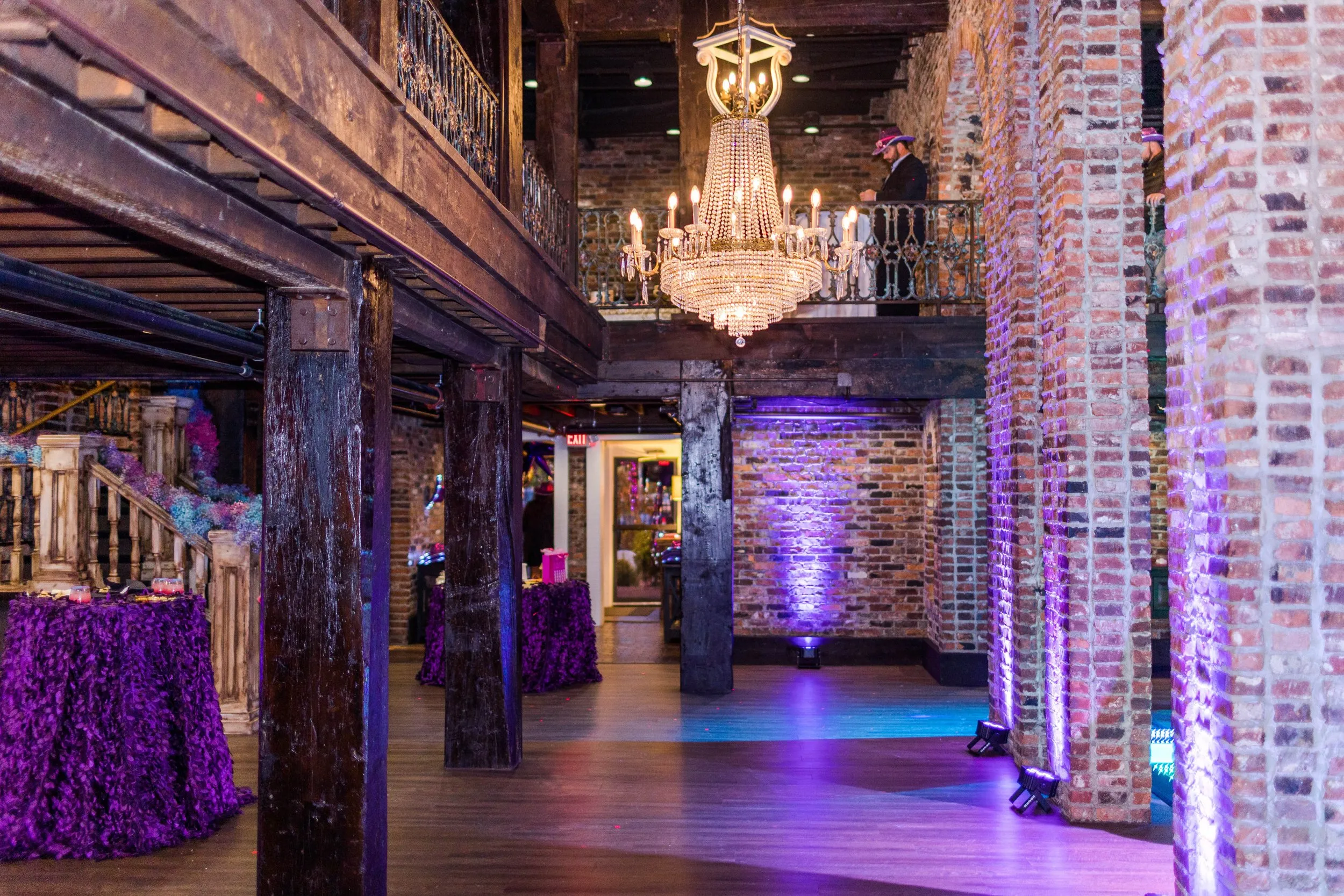
Large spans, heavy occupant loads, and dates that do not move: venues, gathering spaces, and community facilities.
Adaptive Reuse
Taking a building designed for one purpose and making it work for another. The construction is often the easy part. The occupancy change is what drives the code path, and it is worth understanding before you buy the building.
Historic Preservation
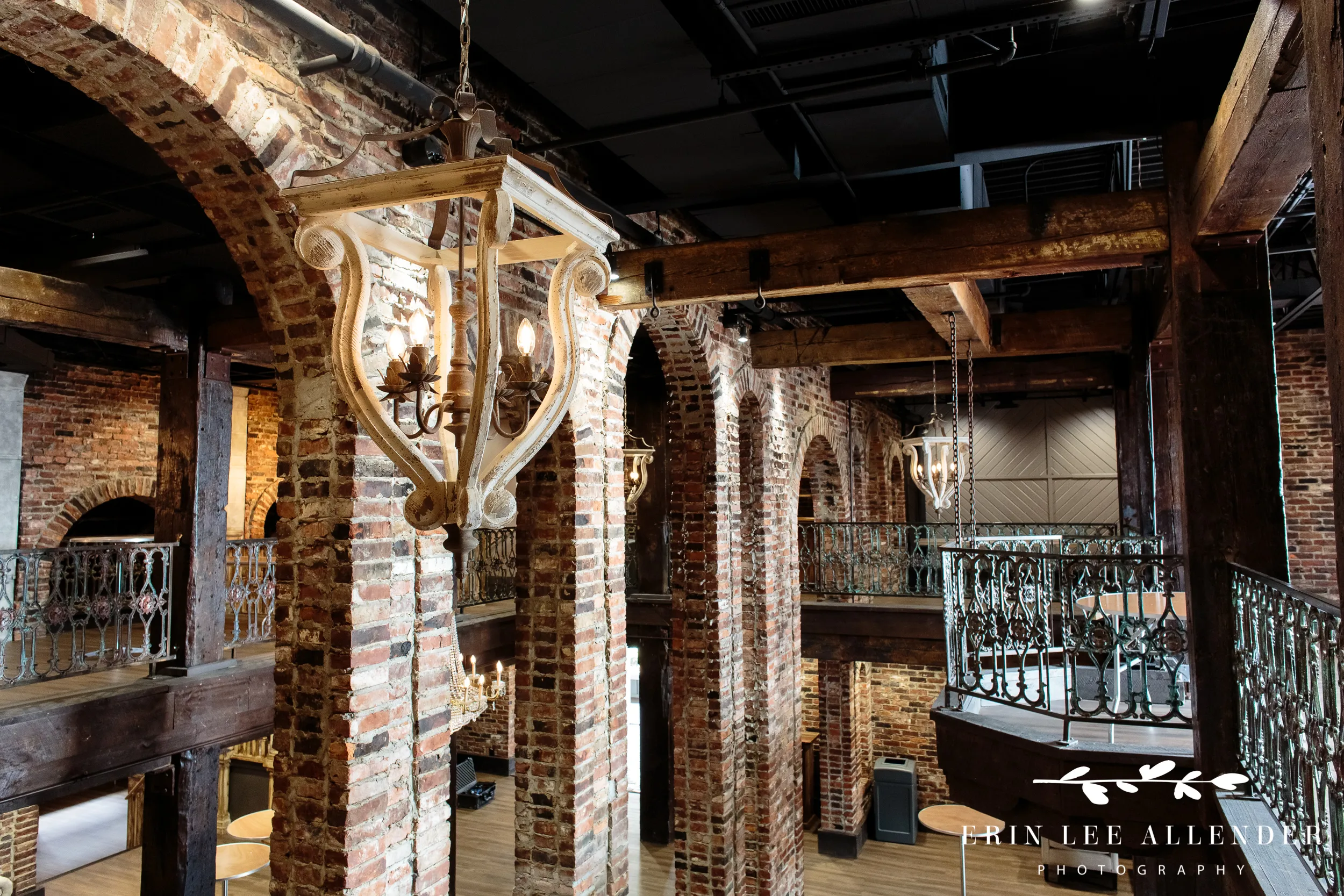
Restoration work where what you are not allowed to alter matters as much as what you are building. We work within preservation standards and alongside the review bodies that enforce them.

Tenant Improvements
Clean buildouts that keep landlords and tenants on the same page.
Principles That Keep Us Moving Forward
A Contractor Who Came Up in the Trades
John Hochstetler spent years in the trades: framing, roofing, finish carpentry, before managing projects. That background is why we can walk a site and tell whether the work is right, not just what the schedule says.
Licensed Across the Full Range
Tennessee license BC 73150, the state’s broadest building classification, covering commercial, residential, and industrial construction across 34 building categories, plus Metro Nashville Master Contractor MCN151894.
Permitting Fluency Across the Region
More than twenty Tennessee jurisdictions, which usually means fewer surprises between drawings and approval.
Feasibility Before Commitment
If you are evaluating a property or a space, we can assess buildability and code path before you sign a lease or a purchase agreement.
Preconstruction That Earns Its Keep
RightStart settles scope, budget, and schedule before mobilization. On a project with an opening date attached, that planning is what protects the date.
Trade Management Is the Job
We are a general contractor. Our team selects and manages licensed trade partners on every job, and we answer for their work.
Both Sides of the Business
Because we also manage custom home projects, our commercial finish work holds to a residential standard of detail.
1993
Building Since
73150
Tennessee License
20Tennessee
Jurisdictions Licensed
Frequently Asked Questions
What Our Clients Say About Us
The Expensive Lesson
By the time you see the problem, you've already paid for it.
Most construction disasters don't announce themselves. They hide in assumptions made months earlier: zoning overlooked, utilities assumed, site conditions never questioned. The project feels fine. Money moves. Drawings get signed. Then the shovel hits dirt, and everything unravels at once.
Redesigning costs more. Re-permitting takes months. The budget you trusted? Gone.
The RightStart Checklist catches what you'd otherwise pay to discover.

Start the Conversation
Tell us what you’re hoping to build, and we’ll give you a straight answer on scope, budget, and timeline.